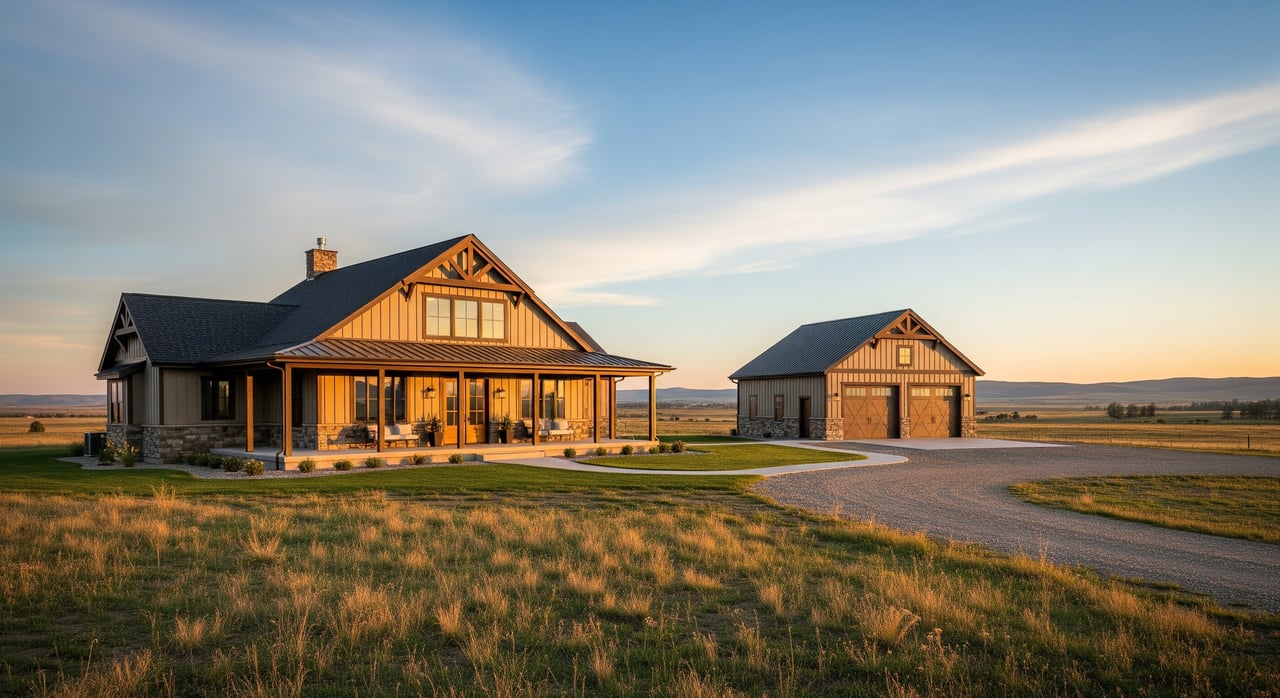
Wish you could buy a home in Crook County with little or no money down? If you are looking at Prineville, Powell Butte, or the surrounding rural areas, a USDA loan might be the financing tool that makes your purchase possible. The rules can feel complex, especially when you are comparing USDA to FHA and conventional loans. In this guide, you will learn how USDA loans work, who and what is eligible, how they stack up against other options, and the practical steps to get started in Central Oregon. Let’s dive in.
USDA loans, simply explained
USDA’s Single Family Housing Guaranteed Loan Program helps low to moderate income buyers purchase homes in eligible rural areas. Private lenders make the loans, and USDA Rural Development guarantees them. This guarantee reduces lender risk and can unlock better terms for you.
Key features include 0% down payment, fixed interest rates through participating lenders, and an occupancy requirement. You must live in the home as your primary residence. Investment or vacation homes are not allowed under this program.
USDA loans include an upfront guarantee fee and an annual fee that functions like mortgage insurance. These amounts can change, so you will confirm current numbers with your lender and the USDA guidelines during preapproval.
What homes qualify in Crook County
Property eligibility is address specific. A home must sit in an area USDA defines as rural. In many rural counties, including much of Crook County, large portions of unincorporated communities and smaller towns tend to qualify. Denser town centers may not. Because eligibility can shift at neighborhood boundaries, always verify by address before you write an offer.
USDA typically allows these property types when they meet program rules:
- Single family detached homes
- Some townhomes and condominiums that meet USDA and lender requirements
- Manufactured homes that meet strict standards, including a permanent foundation, HUD certification labels, and compliance with local codes
The home must be safe, sound, and sanitary. Significant repair needs can delay or block approval until corrected. New construction and unique property types can be possible only under specific processes. Your lender and agent will help you review the details early.
Who qualifies: income and credit
USDA sets income limits by county and by household size to keep the program focused on low to moderate income buyers. Lenders calculate eligibility using gross household income for all adults who will occupy the home, then apply allowable deductions per USDA rules. If you live with other earners, the combined income can push you above the limit, so check the numbers before shopping.
Credit guidelines are more flexible than many conventional loans. Automated approvals usually favor scores in the mid 600s. Manual underwriting is possible when compensating factors are present, and policies can vary by lender. Debt to income ratios often fall in the low to mid 40s for approvals when the rest of the file is strong.
You will document income with pay stubs, W 2s, and sometimes tax returns. Self employed buyers provide two years of tax returns and additional items. USDA allows gift funds for closing costs, which is helpful since the program already offers zero down payment.
Why USDA fits Crook County buyers
Crook County is a rural Central Oregon market with a wide mix of homes, from in town properties to small acreage and select manufactured homes. Many buyers here fall into one of these groups:
- First time buyers who have solid income and credit but limited cash for a down payment
- Buyers moving from higher cost nearby areas who want more home for the money
- Rural home shoppers looking at small acreage or manufactured options that meet program rules
In tight inventory, zero down can be a strategic edge. You can make a strong offer and keep your savings intact for closing costs or future repairs. USDA also permits seller concessions within program limits, and some closing costs can be financed if the appraisal supports the final price. Work closely with your lender to structure a competitive offer.
Sellers sometimes have questions about appraisal standards and underwriting. A clean preapproval from an experienced USDA lender, reasonable timelines, and clear communication will go a long way toward building seller confidence.
USDA vs FHA vs conventional
Down payment and equity
- USDA: 0% down for eligible properties and borrowers.
- FHA: 3.5% down with minimum credit score requirements.
- Conventional: Often 3 to 5% down for well qualified buyers. You need 20% down to avoid mortgage insurance.
Mortgage insurance and fees
- USDA: Upfront guarantee fee plus an annual fee. Amounts are set by USDA and can change.
- FHA: Upfront mortgage insurance premium plus annual MIP that often lasts many years.
- Conventional: Private mortgage insurance varies by credit and down payment. PMI can be canceled when you reach the required equity.
Credit and underwriting flexibility
- USDA: Flexible for buyers with moderate credit, automated approvals preferred, manual underwriting possible.
- FHA: Designed for borrowers with lower credit scores, with well known pathways for approval.
- Conventional: Stricter at lower down payments. Great credit and steady income can yield the best pricing.
Property and occupancy rules
- USDA: Must be in a USDA eligible rural area and be your primary residence.
- FHA: Applies broadly across urban and suburban areas, with specific condo rules.
- Conventional: No federal rural restriction. Can finance primary, second, and some investment properties.
Practical cost tradeoffs
USDA’s zero down and competitive rates can produce monthly payments that compare favorably to FHA for similar buyers, even with the annual fee. FHA’s MIP can be higher in many cases, especially over time. Conventional loans can be cost effective if you have stronger credit and can reach equity levels where PMI falls off.
How to get started in Crook County
- Confirm property eligibility by address. Even if most of an area looks rural, eligibility lines can be precise. Verify before you fall in love with a home.
- Check your household income against Crook County limits for your household size. Remember that USDA counts the income of all adult occupants, with adjustments per the rules.
- Get prequalified or preapproved with a lender who regularly closes USDA loans in Central Oregon. A strong preapproval letter makes your offer more compelling.
- Shop and write a smart offer with USDA in mind. Make the offer contingent on appraisal and underwriting, and coordinate with your lender to flag any property repairs that could affect approval.
- Complete underwriting and close. Expect a timeline similar to many conventional loans, often about 30 to 45 days, with a few USDA specific steps layered in.
Documents your lender will request
- Government ID and Social Security number
- Recent pay stubs and W 2s
- Federal tax returns if self employed or requested by underwriting
- Bank statements and proof of assets
- Gift letters if someone is helping with closing costs
- Explanations for large deposits or any past credit issues
- A signed purchase contract once you find a home
Avoid these common pitfalls
- Assuming the whole county is eligible. Eligibility is address by address, and edges near town centers can be ineligible.
- Overlooking income caps. A larger household or combined incomes can push you over the limit. Check early to avoid surprises.
- Ignoring property condition. Homes that need major repairs may not pass until fixed. Plan for repairs or choose a different property.
- Manufactured home details. Foundation, HUD labels, and documentation must meet USDA and lender standards. Get these items verified upfront.
- Using a lender new to USDA. Experience matters. An experienced USDA lender helps keep the process smooth and the timeline on track.
Local support to pair with USDA
Some state and local programs, such as those offered by Oregon Housing and Community Services, can help with closing costs or education for first time buyers. Availability changes, so ask your lender which programs pair well with USDA today. In Central Oregon, many community banks and credit unions regularly originate USDA loans. Choosing a local, USDA experienced team speeds up the process and reduces headaches.
Ready to explore homes in Crook County?
If you want rural living, small acreage, or an in town home in Prineville with a smart financing plan, USDA is worth a close look. With the right address, the right lender, and a clear plan, you can compete with confidence and keep more cash in your pocket for closing and future projects. For hands on guidance from search to close, connect with Mary Doyle to review your options, map USDA eligible areas, and align your offer with local market realities.
FAQs
What is a USDA loan in Crook County?
- A USDA loan is a government guaranteed mortgage for primary residences in eligible rural areas, offering zero down payment and flexible underwriting for qualified buyers.
How do I know if an address is USDA eligible in Crook County?
- Eligibility is determined by the exact address using USDA’s property eligibility mapping tool, so verify the home’s location before making an offer.
What are the income limits for USDA loans in Crook County?
- USDA sets county specific income caps that vary by household size, and lenders calculate eligibility using total household income with allowed adjustments.
Can I buy a manufactured home with a USDA loan in Central Oregon?
- Yes, if the manufactured home meets USDA requirements including a permanent foundation, HUD labels, local code compliance, and lender acceptance.
How does USDA compare to FHA for monthly costs?
- USDA often offers competitive monthly payments due to zero down and an annual fee structure, while FHA includes upfront and annual mortgage insurance that can be higher over time.
How long does a USDA loan take to close in Crook County?
- Timelines are often similar to conventional loans, commonly about 30 to 45 days, with a few USDA specific steps that your lender will manage.
What credit score do I need for a USDA loan?
- Lenders often look for scores in the mid 600s for automated approvals, though manual underwriting can be possible with compensating factors.
Can the seller pay my closing costs on a USDA loan?
- USDA allows seller concessions within program limits, and some closing costs may be financed if supported by the appraisal and lender policy.